

Glass Beads
Enhancing Road Safety Worldwide
Glass beads are a crucial component in modern road safety and traffic management. These tiny, spherical beads are primarily used in road markings to improve visibility at night and in adverse weather conditions. When mixed with paint or applied as a surface treatment, glass beads reflect light from vehicle headlights, making lane dividers, crosswalks, and other road markings highly visible.
This post explores the properties, manufacturing process, global applications, and benefits of glass beads in traffic supply. We’ll also discuss industry standards, environmental considerations, and future trends.
What Are Glass Beads?
Glass beads are small, spherical particles made from soda-lime glass, which is highly durable and resistant to weathering. They are manufactured through a precise process of melting glass and forming droplets that cool into perfect spheres.
Key Properties:
- High Refractive Index (1.5–1.9): Ensures optimal light reflection
- Uniform Size Distribution: Typically ranging from 100 to 1500 microns for different applications
- Chemical & Weather Resistance: Withstands harsh road conditions, UV exposure, and de-icing chemicals
- Adhesion Strength: Bonds well with thermoplastics, paints, and epoxy resins
How Are Glass Beads Used in Traffic Control?
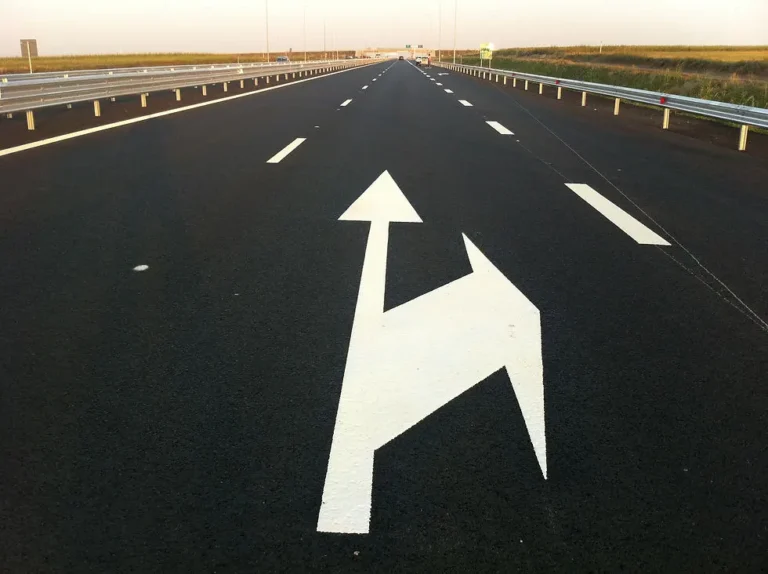
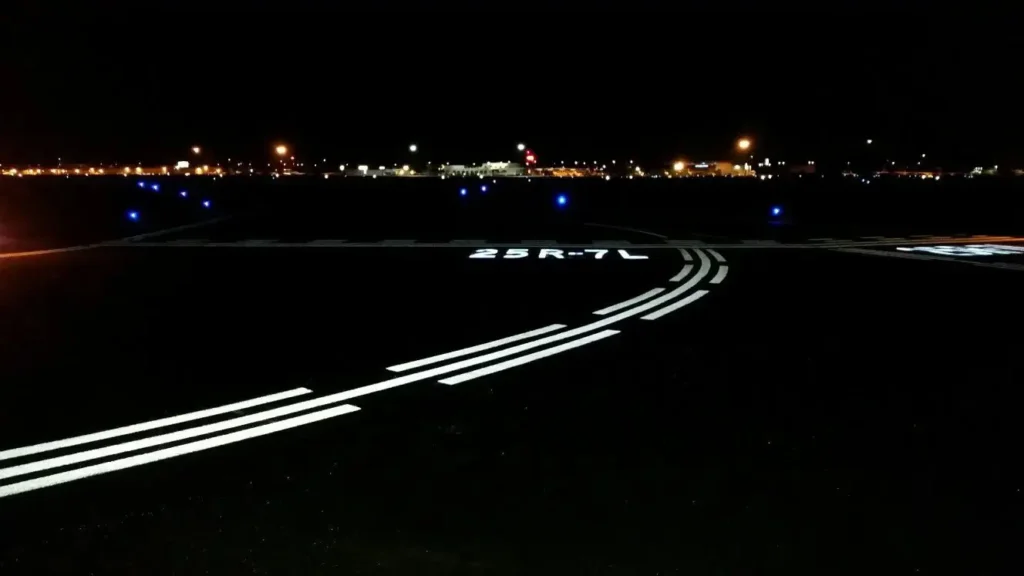
Glass beads are an essential element in retroreflective road markings, ensuring drivers can see lane divisions, pedestrian crossings, and hazard signs even in low-light conditions.
Primary Applications:
- Road Markings (Paints & Thermoplastics):
- Mixed into water-based or solvent-based paints for highways, urban roads, and airport runways
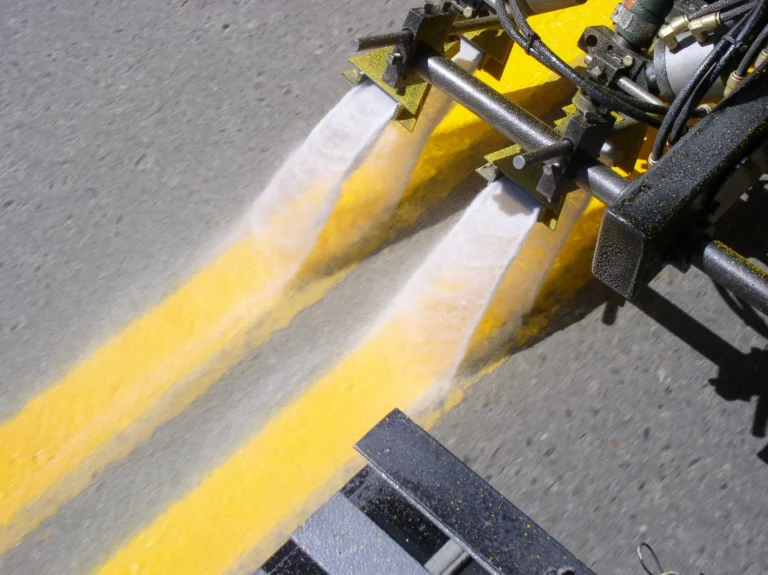
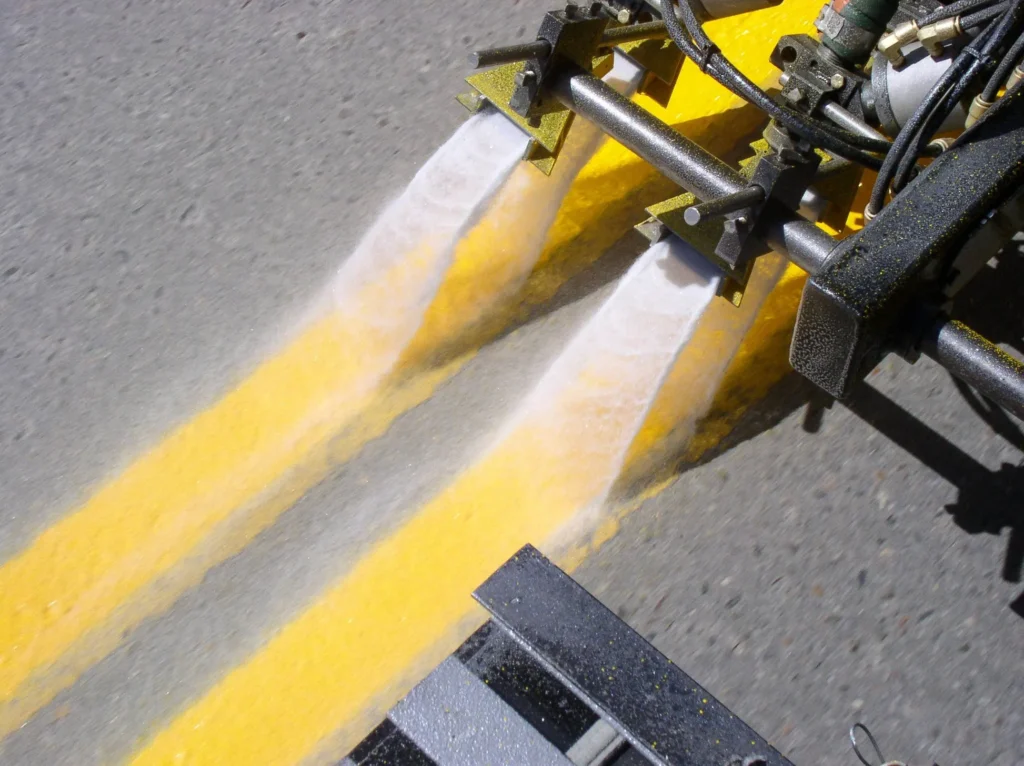
- Applied as a drop-on material over freshly painted lines for immediate reflectivity
- Highway Safety Signs:
- Used in retroreflective sheeting for traffic signs, improving nighttime visibility
- Pavement Markers (Raised & Embedded):
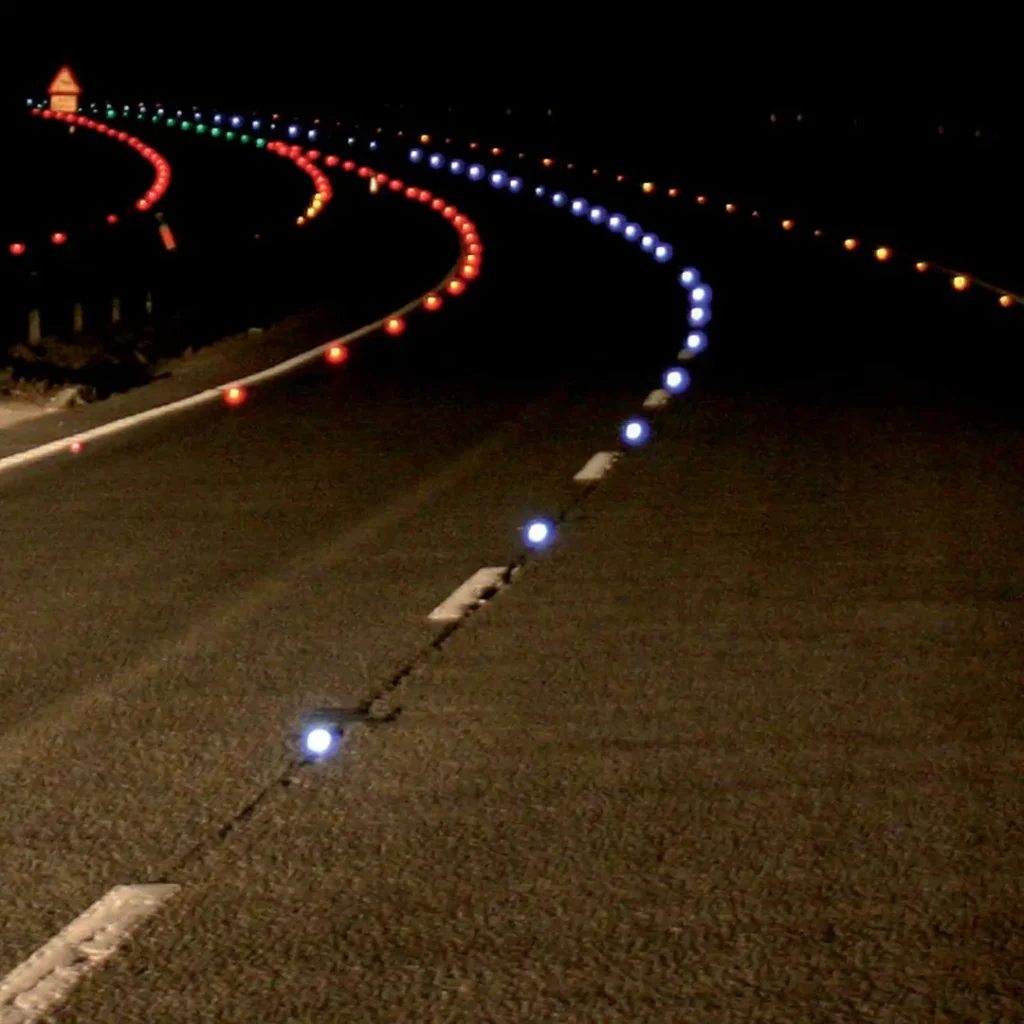
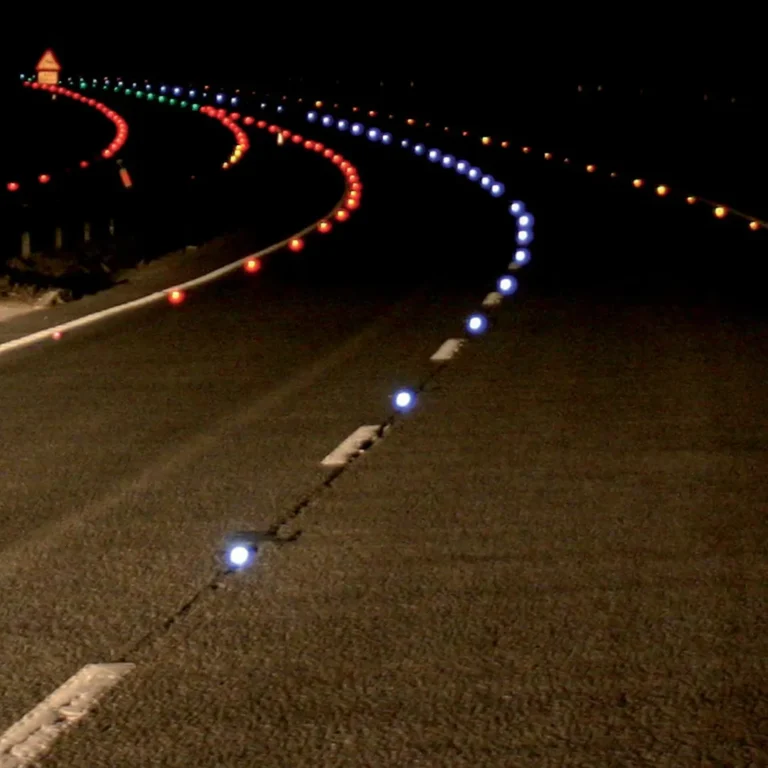
- Incorporated into solar-powered cat’s eyes and raised pavement markers (RPMs)
- Bicycle & Pedestrian Pathways:
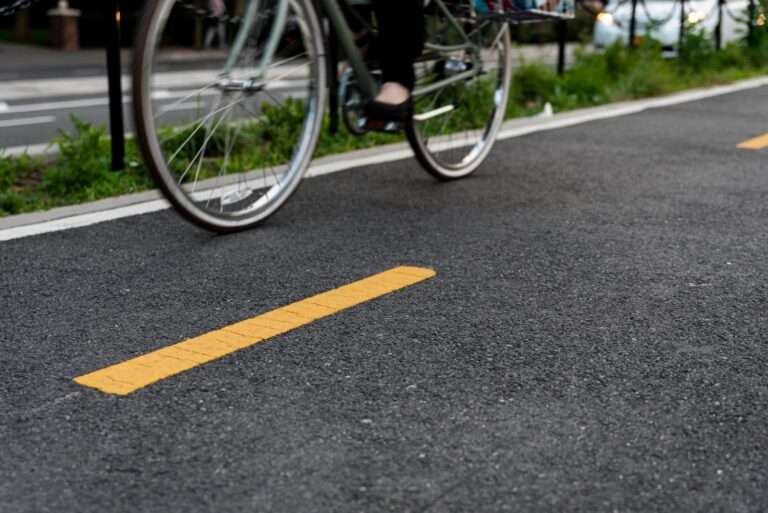
- Enhances visibility of bike lanes and crosswalks, reducing accidents
Global Use of Glass Beads in Traffic Management
Different regions have unique standards and preferences for glass bead applications.
- North America (USA & Canada)
- Federal Highway Administration (FHWA) mandates Type I and Type II beads for highway markings
- Durable, high-index beads (1.9+) are used in snow-prone areas to resist plow damage
- Europe (EU Standards – EN 1423/1424)
- EN 1423 specifies requirements for glass beads in road markings
- Sweden & Norway prioritize anti-skid beads for winter road safety
- Asia (China, India, Japan)
- China is the largest producer and consumer of glass beads, using them extensively in expressway projects
- India’s Ministry of Road Transport promotes retroreflective markings to reduce nighttime accidents
- Australia & New Zealand
- AS/NZS 2009 standards ensure high reflectivity in both urban and rural roads
Benefits of Using Glass Beads in Road Markings
- Enhanced Night Visibility: Reduces accidents by up to 30% (WHO studies)
- Longer Lifespan: Beads extend the durability of road markings by 2–5 years
- Cost-Effective: Lowers repainting frequency, saving maintenance costs
- Weather Resistance: Performs well in rain, snow, and fog
Industry Standards & Environmental Impact
Key Standards:
- ASTM D1155 (USA) – Specifies bead roundness and size
- ISO 10897 (Global) – Defines performance requirements
Sustainability:
- Recycled Glass Beads: Some manufacturers use post-consumer glass to reduce waste
- Low Carbon Footprint: Glass production emits less CO₂ compared to plastic alternatives
(Suggested image placement: A factory producing glass beads with a sustainability tagline.)
Future Trends in Glass Bead Technology
- Smart Road Markings: Integration with IoT sensors for traffic monitoring
- Self-Cleaning Beads: Hydrophobic coatings to resist dirt buildup
- Higher Reflective Index Beads (RI 2.2+): For autonomous vehicle lane recognition
Conclusion
Glass beads play a vital role in global road safety, ensuring clear, long-lasting, and reflective traffic markings. With advancements in material science and sustainability, their use will continue to grow, supporting smarter and safer transportation systems.