

Thermoplastic Road Markings
The Global Standard for Durable Traffic Control
Introduction to Thermoplastic Road Markings
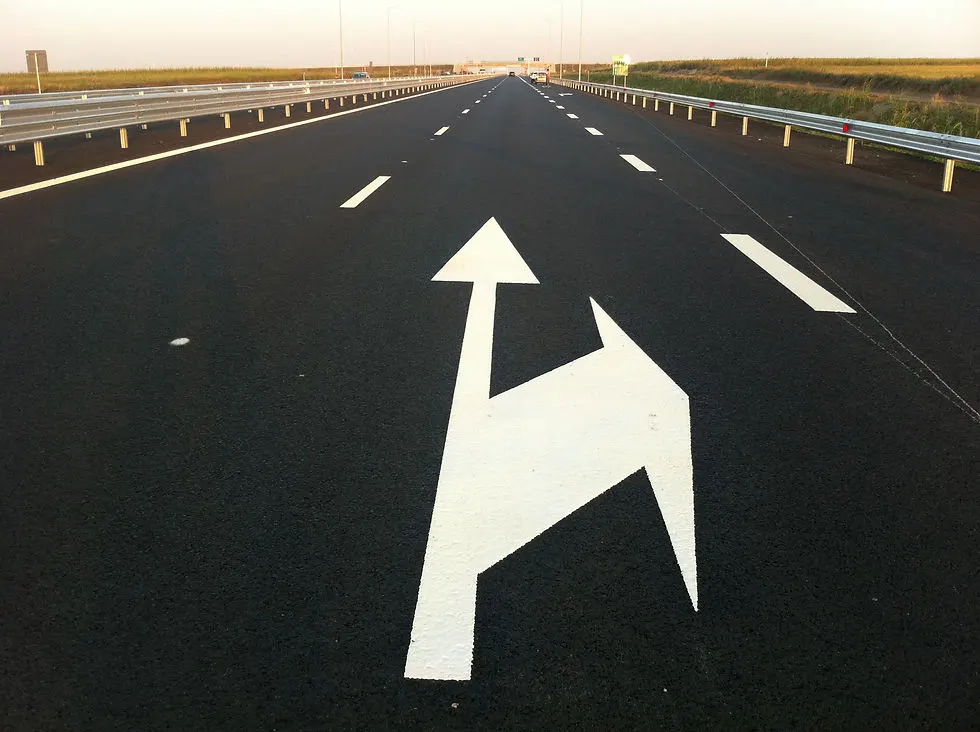
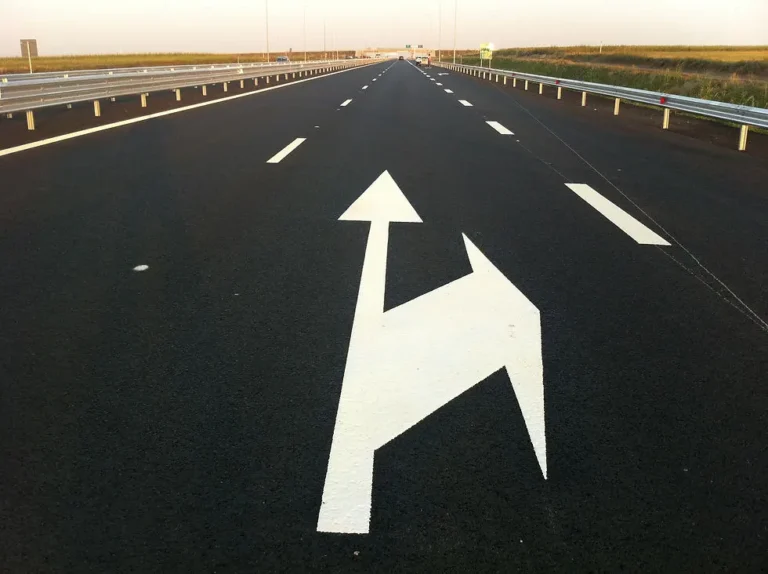
Thermoplastic road markings have become the dominant solution for permanent pavement markings worldwide, offering unmatched durability, reflectivity, and cost-effectiveness. Unlike traditional paint, thermoplastic markings fuse chemically with the road surface, creating long-lasting lines and symbols that withstand heavy traffic and extreme weather conditions.
This comprehensive guide examines thermoplastic’s composition, application methods, global usage patterns, and technological advancements, demonstrating why it’s the preferred choice for transportation agencies across six continents.
(Suggested image placement: High-quality image of freshly applied thermoplastic markings on a busy urban intersection.)
What Makes Thermoplastic Unique?
Thermoplastic road marking materials are heat-applied polymers that transform from solid to liquid at 180-220°C (356-428°F), then harden upon cooling to form a permanent bond with pavement surfaces.
Key Composition Elements:
| Component | Percentage | Function |
|---|---|---|
| Hydrocarbon Resins | 18-22% | Binding agent |
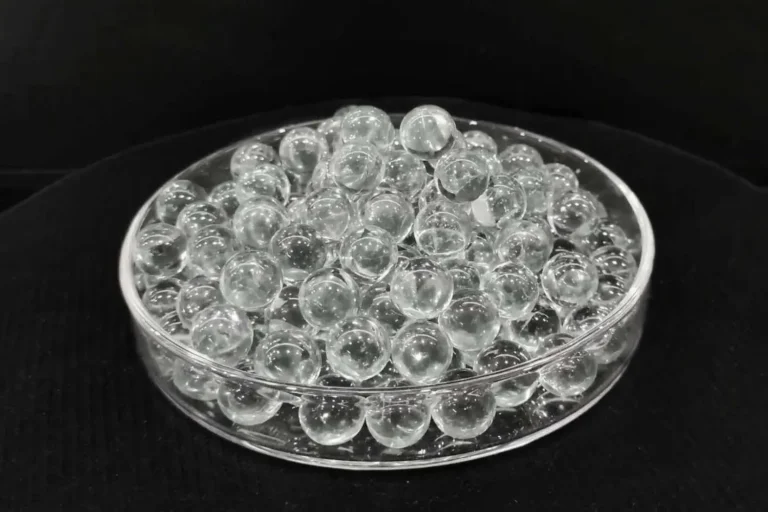
| Glass Beads | 30-35% | Retroreflection |
| Pigments (TiO₂) | 15-20% | Color & UV resistance |
| Fillers (CaCO₃) | 25-30% | Volume & texture |
| Additives | 2-5% | Flexibility, anti-skid |
(Suggested image placement: Microscope view showing glass bead distribution in thermoplastic matrix.)
Global Application Standards & Methods
1. Application Techniques
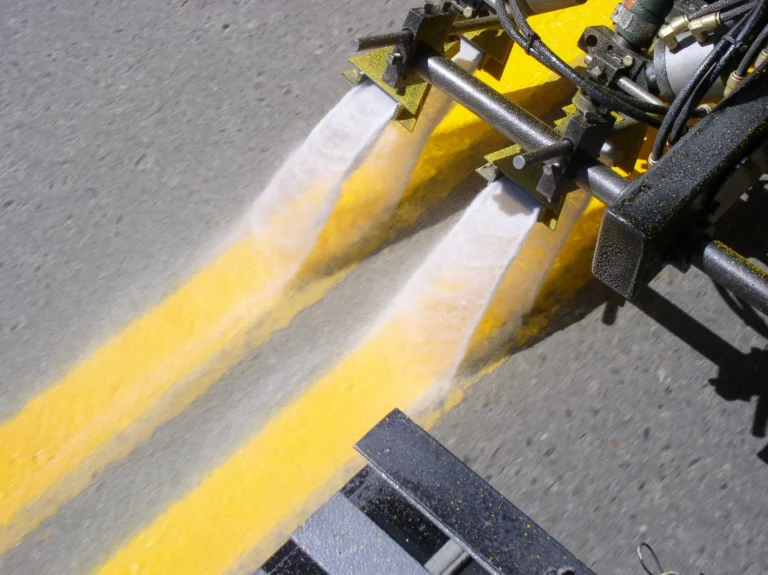
- Extrusion: Continuous lines via heated screed box
- Spray: For large areas like crosswalks
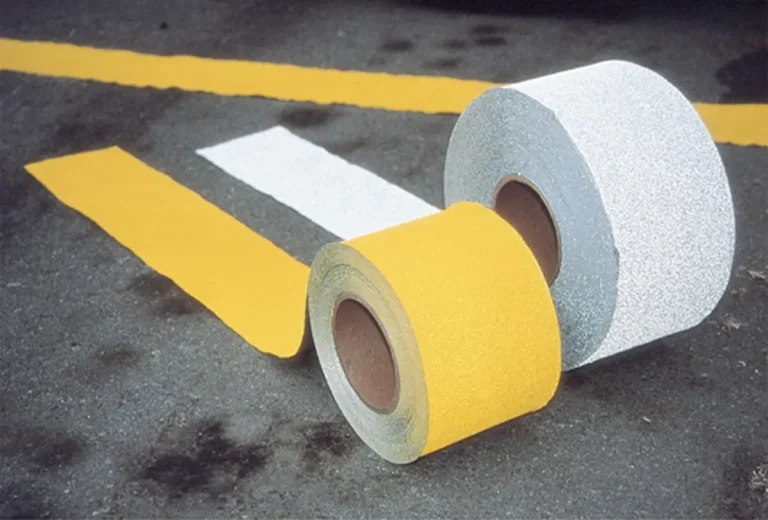
- Ribbon: Pre-formed thermoplastic tapes
- Stencil: Precise symbols and lettering
2. Regional Installation Preferences
| Region | Primary Method | Unique Requirement |
|---|---|---|
| North America | Extrusion + drop-on beads | MUTCD reflectivity standards |
| European Union | Spray with embedded beads | EN 1436 skid resistance |
| Middle East | Thick extrusion (3.0mm+) | Heat stabilization additives |
| Nordic Countries | Anti-skid textured application | Snowplow resistance |
| Southeast Asia | Fast-cure formulations | High humidity adaptation |
(Suggested image placement: World map with regional application method icons.)
Performance Advantages Over Alternatives
Durability Comparison
| Material | Expected Lifespan | Cost per Linear Meter |
|---|---|---|
| Thermoplastic | 3-8 years | $3.50-$7.00 |
| Waterborne Paint | 6-18 months | $1.20-$2.50 |
| Cold Plastic | 2-5 years | $4.80-$9.00 |
| Tape | 1-3 years | $6.00-$12.00 |
Key Performance Metrics
- Reflectivity: 250-450 mcd/m²/lux (initial)
- Skid Resistance: 50-65 BPN (British Pendulum)
- Application Speed: 3-5 km/hour (extrusion method)
- Traffic Readiness: 3-8 minutes after application
(Suggested image placement: Performance comparison infographic with durability timeline.)
Innovations Reshaping the Industry
1. Smart Thermoplastics
- Photoluminescent markings (glow-in-the-dark)
- Temperature-responsive color changers
- RFID-embedded for asset management
2. Sustainable Formulations
- Bio-based resins from pine tar derivatives
- Recycled glass beads (30% post-consumer content)
- Low-VOC emission formulas
3. Advanced Safety Features
- 3D optical illusions for speed reduction
- Tactile surface patterns for ADA compliance
- Anti-microbial additives for hospitals
(Suggested image placement: Close-up of innovative photoluminescent marking.)
Global Case Studies
1. Germany’s Autobahn Network
- 25,000+ km marked with high-performance thermoplastic
- Ceramic bead additives for wet-night reflectivity
- 15-year warranty on premium segments
2. Dubai Smart City Project
- Heat-stabilized formulations (85°C+)
- Solar-reflective white markings reducing urban heat
3. Japan’s Earthquake-Resistant Markings
- Flexible polymer blends withstand seismic activity
- Quick-repair formulations for disaster response
4. Norwegian Winter Road System
- Carborundum-enhanced anti-icing markings
- Plow-resistant recessed installations
(Suggested image placement: Case study collage with location pins.)
Future Outlook: 2025-2030 Trends
- Self-Healing Thermoplastics
- Microcapsule technology repairs minor cracks
- 30% lifespan extension in trials
- IoT-Integrated Markings
- Strain sensors for traffic monitoring
- Dynamic lane control capabilities
- Robotic Application Systems
- Autonomous line-marking vehicles
- AI-powered quality control
- Carbon-Neutral Production
- Closed-loop manufacturing
- Carbon credit-certified formulas
(Suggested image placement: Futuristic concept image of robotic applicator.)
Conclusion
Thermoplastic road markings represent the pinnacle of pavement marking technology, combining scientific material engineering with practical roadway solutions. As global infrastructure demands grow increasingly complex, thermoplastic continues to evolve through sustainability initiatives, smart technology integration, and region-specific formulations.
For transportation agencies, the choice is clear: thermoplastic delivers superior lifecycle value, enhanced safety performance, and adaptability to meet tomorrow’s mobility challenges. The next decade will undoubtedly witness even more revolutionary advancements in this essential traffic control product.