Traffic Paint
The Essential Road Marking Solution for Global Traffic Management
Introduction to Traffic Paint
Traffic paint remains the most widely used road marking material worldwide, offering a cost-effective and versatile solution for lane demarcation, pedestrian crossings, and traffic guidance. Despite advancements in alternative materials like thermoplastics and tapes, waterborne and solvent-based traffic paints continue to dominate many markets due to their ease of application, quick drying time, and adaptability to various road conditions.
This post explores the types, formulations, global applications, and innovations in traffic paint, highlighting why it remains indispensable for urban and rural road networks.
What is Traffic Paint?
Traffic paint is a specialized coating formulated for high visibility, durability, and reflectivity on asphalt and concrete surfaces. It consists of:
Key Components:
- Binder (Acrylic, Alkyd, or Epoxy resins) – Provides adhesion and durability
- Pigments (Titanium Dioxide for white, Chromium Oxide for yellow) – Ensures color retention
- Glass Beads (10-30% by volume) – Enhances nighttime reflectivity
- Additives (Plasticizers, Anti-Skid Agents) – Improves flexibility and safety
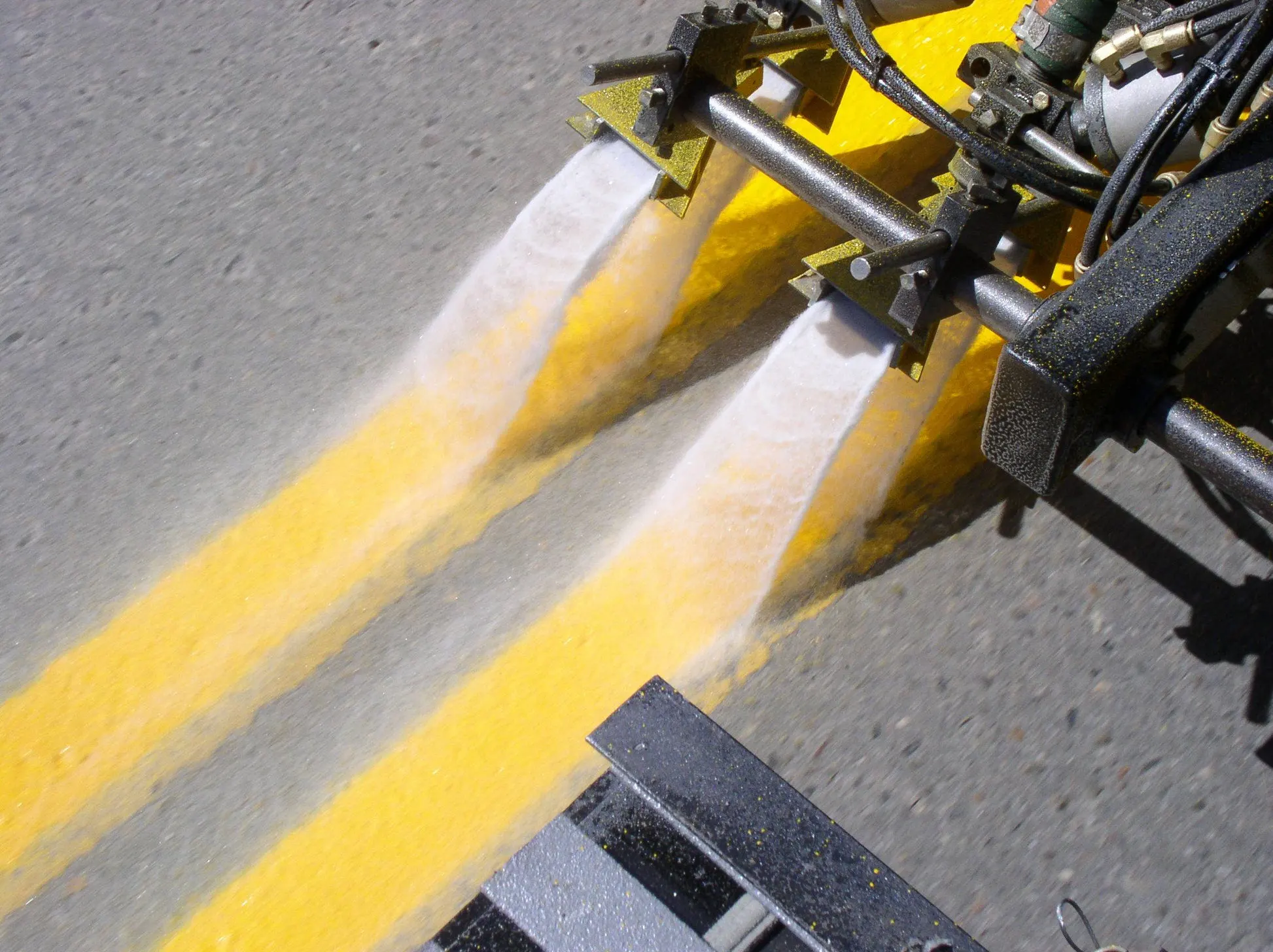
(Suggested image placement: Close-up of freshly applied traffic paint with glass beads sparkling under light.)
Types of Traffic Paint
Different formulations cater to specific climatic and traffic conditions:
1. Waterborne Traffic Paint
- Eco-friendly, low VOC (Volatile Organic Compounds)
- Dries in 5-15 minutes (depending on weather)
- Dominates in North America & Europe due to strict environmental regulations
2. Solvent-Based Traffic Paint
- Highly durable, resistant to fuel/oil spills
- Longer drying time (20-40 minutes)
- Common in Asia and developing nations
3. Two-Component Epoxy Paint
- Extreme durability (5+ years lifespan)
- Used in airports, seaports, and industrial zones
- Requires mixing before application
4. Thermoplastic Paint (Hot-Applied)
- Melts at high temperatures (200°C/392°F)
- Longest-lasting (3-8 years)
- Preferred for highways and heavy-traffic zones
(Suggested image placement: Side-by-side comparison of different traffic paint types.)
Global Usage & Regional Preferences
Traffic paint adapts to local regulations, climate, and infrastructure needs:
1. North America (USA & Canada)
- Waterborne paints dominate (EPA compliance)
- MUTCD standards dictate color and reflectivity
- Fast-drying formulations for urban roads
2. Europe (EU Standards EN 1436 & EN 1423)
- High focus on eco-friendly paints
- Anti-skid additives mandatory in Nordic countries
- Germany & UK use epoxy paints for highways
3. Asia (China, India, Japan)
- Solvent-based paints still prevalent
- China’s expressways use thermoplastic hybrids
- Japan’s high-precision stenciling for urban roads
4. Middle East & Africa
- Heat-resistant formulas (up to 60°C/140°F)
- Sand & dust-resistant coatings in UAE & Saudi Arabia
- Low-cost waterborne paints in urban Africa
(Suggested image placement: World map showing regional paint preferences.)
Benefits of Traffic Paint Over Alternatives
| Feature | Traffic Paint | Thermoplastic | Tape |
|---|---|---|---|
| Cost | $0.50-$2.00 per sqm | $3.00-$7.00 per sqm | $5.00-$12.00 per sqm |
| Drying Time | 5-40 mins | 10-30 mins | Instant |
| Lifespan | 6-24 months | 3-8 years | 2-5 years |
| Eco-Friendliness | Waterborne = Low VOC | High energy use | Plastic waste concerns |
Why It’s Still Popular?
✔ Fast application (no specialized equipment needed)
✔ Easy maintenance (quick repainting)
✔ Adaptable (works on all pavement types)
(Suggested image placement: Infographic comparing traffic paint vs. alternatives.)
Innovations in Traffic Paint Technology
1. Smart Paints
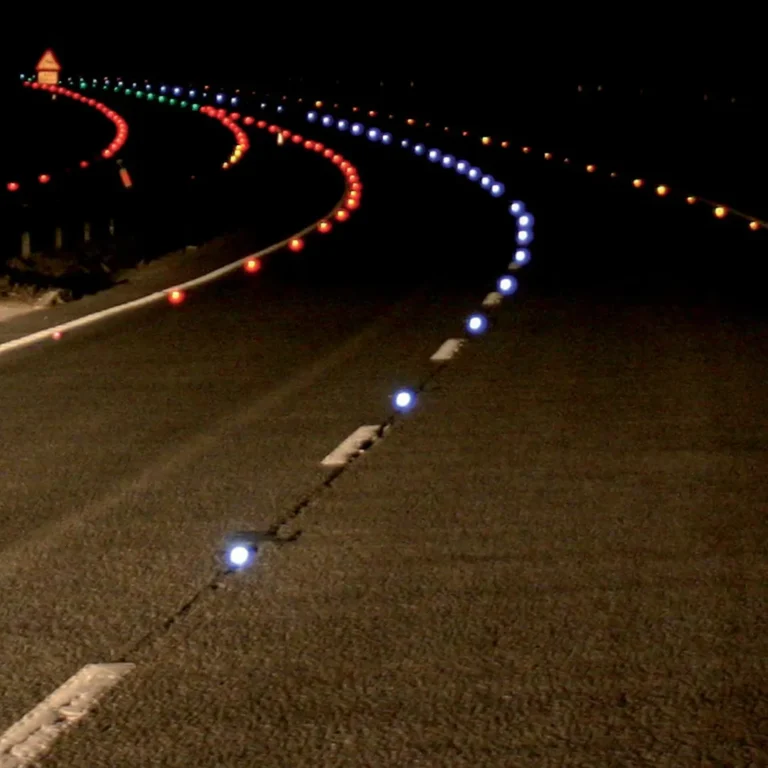
- Glow-in-the-dark photoluminescent markings (Netherlands pilot)
- Temperature-sensitive color change for ice warnings
2. Enhanced Durability
- Nano-coatings for better UV resistance
- Self-healing polymers (experimental stage)
3. Sustainability
- Bio-based resins from soybean and linseed oil
- Recycled glass beads (30% less raw material use)
(Suggested image placement: Innovative paint application in a smart city.)
Future of Traffic Paint
- Autonomous robot applicators for precision marking
- IoT-connected paints for real-time wear monitoring
- More stringent eco-regulations pushing waterborne adoption
(Suggested image placement: Futuristic road marking drone in action.)
Conclusion
While thermoplastics and tapes offer longer lifespans, traffic paint remains the go-to choice for cost-effective, flexible, and quick road marking solutions. With advancements in smart and sustainable formulations, it will continue evolving alongside global infrastructure needs.
For urban roads, temporary markings, and budget-conscious projects, traffic paint delivers unmatched practicality—proving that sometimes, the simplest solutions are the most enduring.
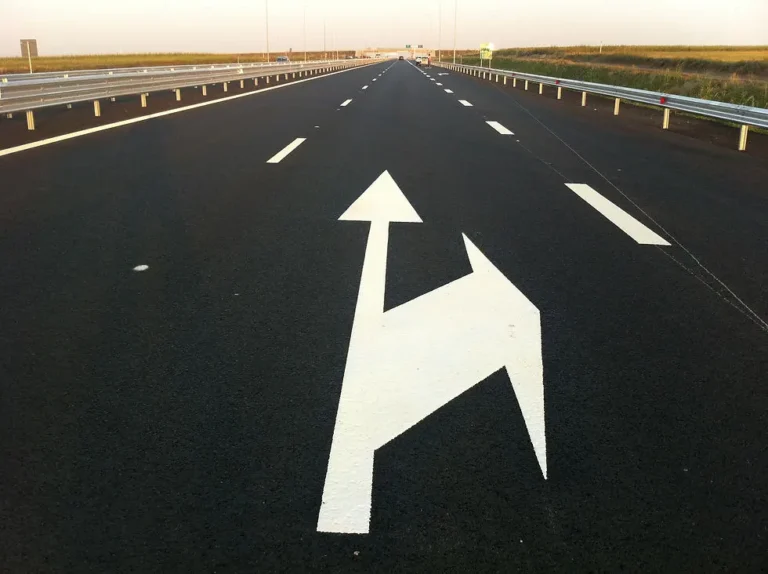
(Suggested final image: Well-marked city road with crisp, reflective paint lines.)